

1. Rescue cotton scraps
When cotton is cut for clothing, scraps are usually discarded or burned outside the factory. Rewrite collects those scraps and reprocesses them into paper.
Our story
Rewrite journals and sketchbooks are made to write in — heavy archival pages, banana leather covers, and cotton rescued from garment-industry waste instead of pulp from trees.

The paper is the point: super-heavy, rich, and textured — a joy to write and draw on. Covers are banana leather made from reclaimed stalk fiber with wool and cotton scraps. Built for everyday use, not throwaway pages.
Every notebook keeps cotton scraps out of landfills and burn pits — and skips the tree pulp most journals are made from.
Millions of tons of cotton fabric scraps from the garment industry end up in landfills and burn pits.
¹ Pulse of the Fashion Industry 2017, Global Fashion Agenda
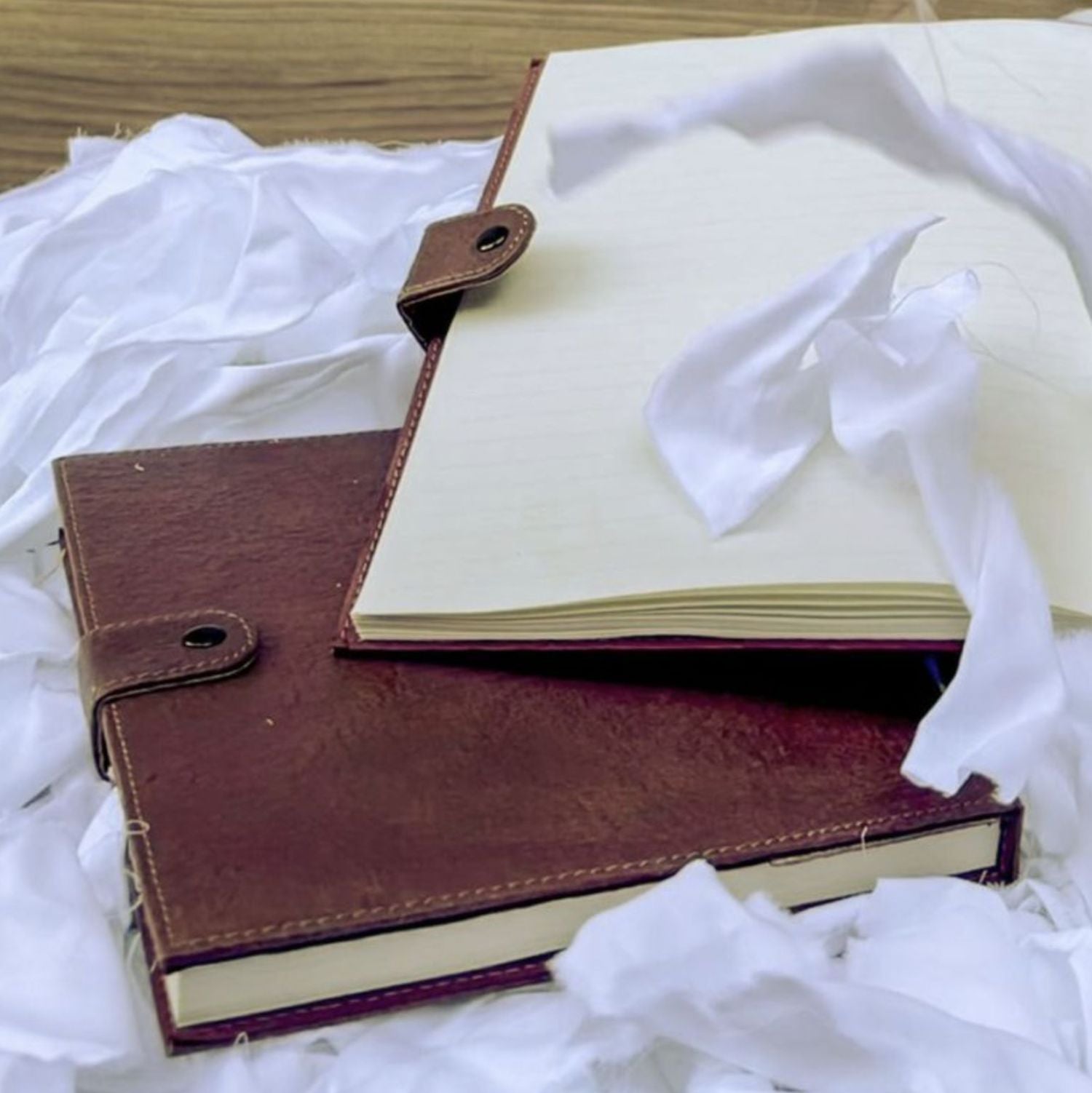
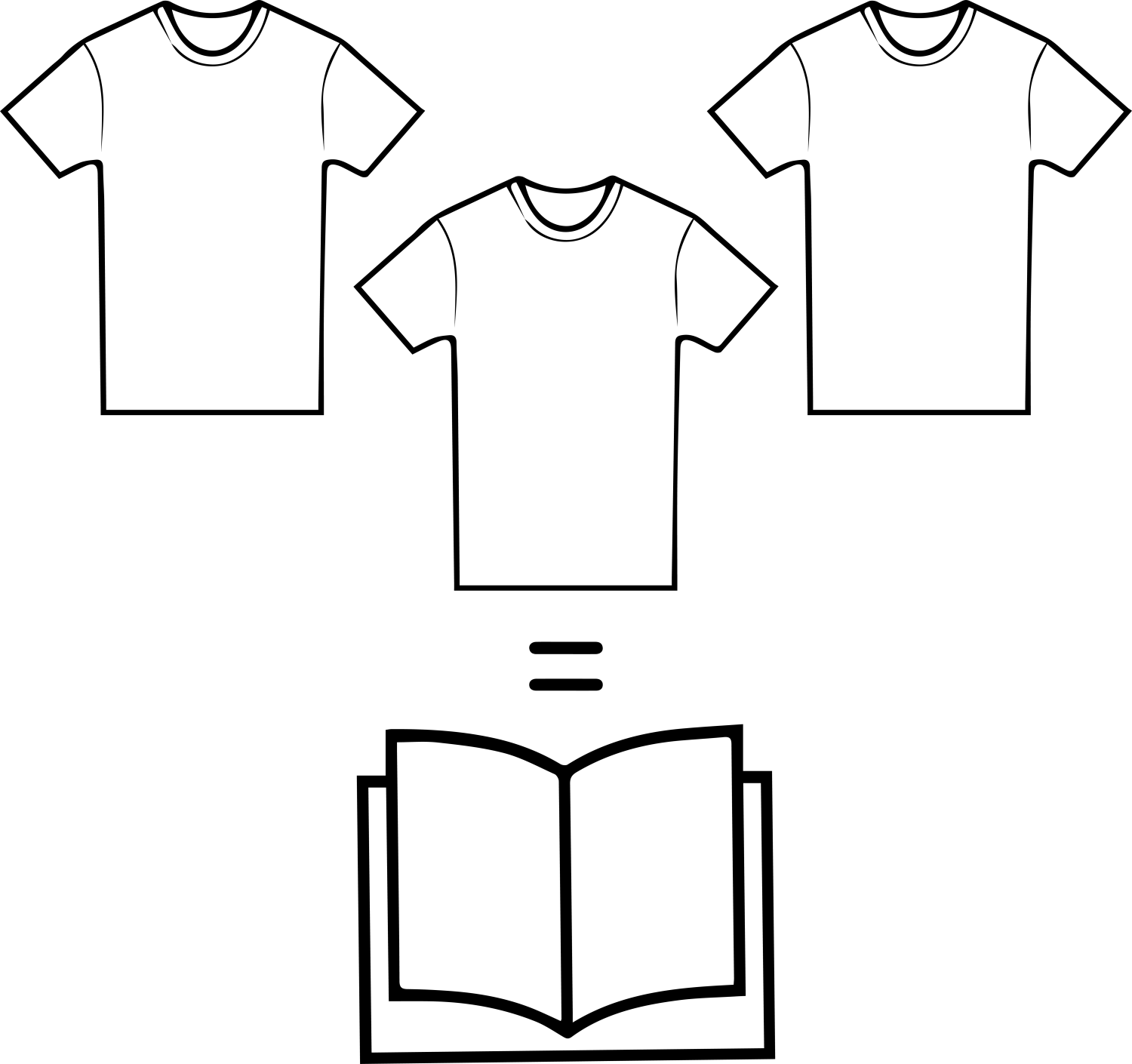
Each travel-sized Rewrite notebook keeps almost 1 pound of cotton scraps from going to a landfill or burn pit — nearly three tee-shirts worth of cotton per book.
When cotton is cut for clothing, scraps are usually discarded or burned outside the factory. Rewrite collects those scraps and reprocesses them into paper.
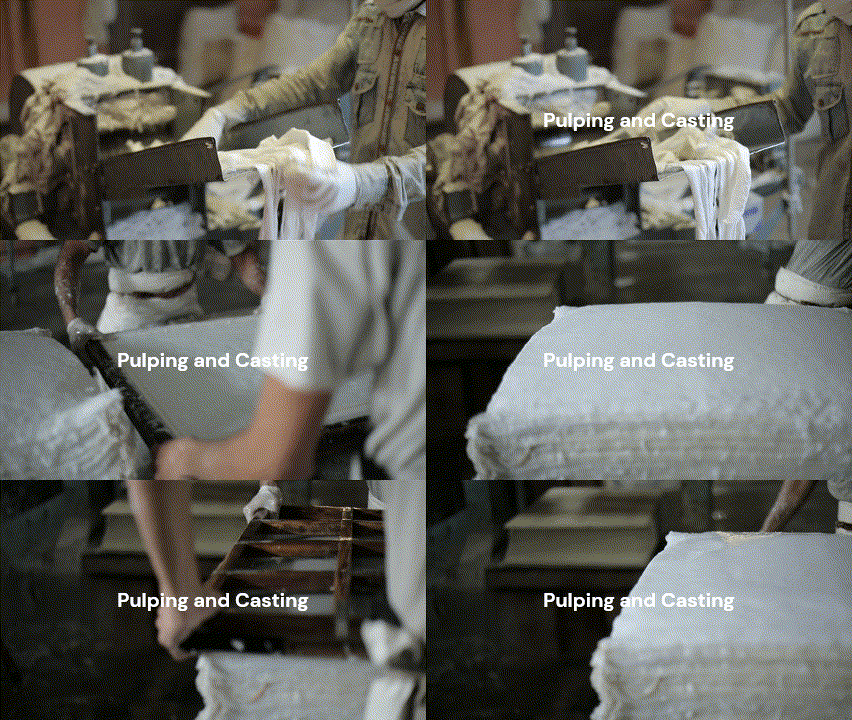
Scraps are shredded into pulp, then gathered, cast, pressed, and hung to dry into sheets.
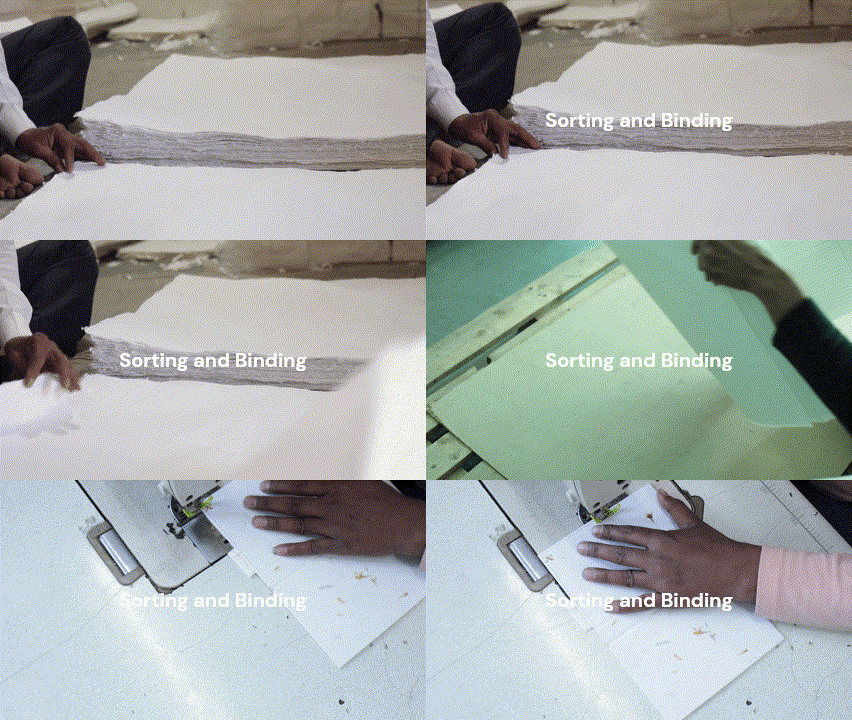
Sheets and covers are inspected; imperfect material is recycled again. Quality papers are bound into journals and sketchbooks.
Our workshop is inspected and verified by leading international sustainability and ethical standards organizations.
New drops, restocks, and notes from the workshop — occasional emails, no spam.